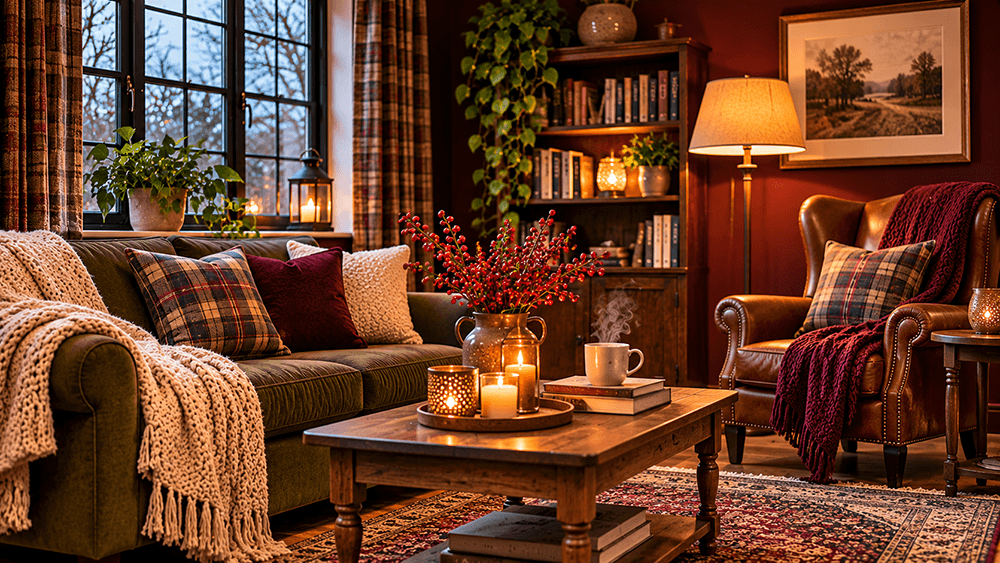
As the days become shorter and temperatures begin to fall, spending time at home often becomes much more appealing. Winter is the perfect opportunity to make living spaces feel warmer, more comfortable and inviting, particularly when evenings are spent relaxing indoors.
Creating a cosy atmosphere does not necessarily require expensive furniture, major decorating projects or a complete change of interior style. Often, small adjustments to lighting, textiles, furniture arrangements and everyday details can make a noticeable difference.
Whether you live in a compact flat or a larger family home, there are plenty of ways to prepare your living spaces for the colder months while keeping them practical and attractive.
Introduce Warm and Comfortable Textures
One of the simplest ways to make a room feel cosier is to introduce different textures.
During summer, lightweight materials and minimal accessories can help create a fresh, airy atmosphere. In winter, layering softer and heavier fabrics can make the same space feel more comfortable.
Consider adding:
- Knitted throws across sofas and armchairs
- Velvet or textured cotton cushions
- Wool or wool-blend blankets
- Soft rugs over suitable hard flooring
- Heavier curtains where appropriate
- Upholstered accessories in warm colours
These additions do not need to match perfectly. In fact, combining different textures can make a room feel more natural and interesting.
A deep blue sofa, for example, can look particularly inviting with mustard cushions, a rust-coloured throw and a textured cream rug.
The aim is to create a space that feels comfortable without becoming overcrowded.
Create Layers of Warm Lighting
Lighting becomes especially important during winter when natural daylight is limited.
A single bright ceiling light may provide enough illumination, but it rarely creates the most relaxing atmosphere.
Using several smaller light sources at different heights can produce a softer and more welcoming effect.
Table lamps, floor lamps and wall lights can all help create layers of illumination.
Warm-white bulbs are often a good choice for living rooms and bedrooms, particularly when the goal is to create a relaxing environment.
Consider placing lamps near seating areas, bookshelves or darker corners that otherwise receive little light.
Dimmable lighting can also be useful, allowing the brightness to change depending on the activity.
For safety, keep lamps and electrical fittings clear of curtains, fabrics and other combustible materials.
Use Richer Colours to Create a Cosy Atmosphere
Winter interiors do not need to rely entirely on beige, cream and grey.
Deeper colours can create an attractive, welcoming atmosphere, especially when combined with natural materials and warm lighting.
Some effective colour choices include:
- Forest green
- Deep teal
- Terracotta
- Burgundy
- Mustard yellow
- Warm brown
- Rich navy blue
These colours can be introduced through cushions, curtains, rugs, artwork and smaller decorative pieces without repainting the entire room.
For example, a neutral living room can feel noticeably different when warm orange textiles and dark green accessories are added.
Natural wood furniture can help balance stronger colours and prevent the room from feeling too dark.
Make Your Living Room More Comfortable
The living room is often the main gathering space during winter, making it a good place to begin.
Think about how the furniture is arranged and whether the layout encourages relaxation.
A sofa positioned too far from the main seating area may make conversation awkward, while a poorly placed coffee table can restrict movement.
Try to arrange furniture around the activities that take place in the room.
This might include watching television, reading, spending time with family or simply relaxing after work.
A small side table next to an armchair can provide somewhere for a drink or book, while a well-positioned floor lamp can create a comfortable reading corner.
It is also worth checking whether furniture blocks radiators or other heating outlets.
Allowing heat to circulate freely can help rooms warm more effectively.
Add Rugs to Hard Flooring
Hard flooring can look attractive and is often easy to maintain, but it may feel less comfortable underfoot during colder weather.
Adding a rug can make a room feel softer and more inviting.
In a living room, a sufficiently large rug can help define the seating area and visually connect the furniture.
Bedrooms can also benefit from rugs placed beside or partly beneath the bed.
When choosing a rug, consider its material, pile height and maintenance requirements.
A thick rug may feel luxurious, but it should still be practical for the room.
Use suitable non-slip backing where necessary, particularly on smooth flooring.
Make Bedrooms Feel More Inviting
A comfortable bedroom becomes especially appealing during winter.
One of the easiest improvements is to review the bedding.
Layering sheets, duvets and blankets allows you to adjust your comfort as the temperature changes.
Textured cushions and throws can also make the bed look more inviting during the day.
However, the aim should be comfort rather than simply adding as many layers as possible.
Consider the room’s lighting too.
Bedside lamps with warm bulbs can create a softer atmosphere than a bright overhead light.
Thicker curtains may help reduce draughts around some windows, although they should not block radiators or prevent necessary ventilation.
A tidy bedroom with comfortable bedding and suitable lighting often feels cosier without requiring any major decorating work.
Pay Attention to Windows and Draughts
A room can look beautifully decorated but still feel uncomfortable if cold air regularly enters through gaps around windows and doors.
Check whether existing seals are damaged or whether noticeable draughts occur around frames.
Suitable draught-proofing products can sometimes improve comfort without requiring replacement windows.
However, avoid sealing intentional ventilation openings or trickle vents.
Ventilation remains important for indoor air quality and moisture control, particularly during winter.
If windows regularly develop condensation, look at the room’s heating and ventilation arrangements rather than simply covering the problem with heavier curtains.
Maintaining a comfortable indoor environment is about balancing warmth with adequate airflow.
Bring Natural Materials Indoors
Natural materials can help create a welcoming interior throughout the year, but they are particularly effective during colder months.
Timber furniture, woven baskets, ceramic accessories and textured fabrics can add warmth and character.
A wooden coffee table or sideboard, for example, can soften a room with dark painted walls and contemporary metal fittings.
Woven storage baskets are both decorative and practical, providing somewhere to keep blankets, magazines or everyday accessories.
Houseplants can also introduce colour and life into a winter interior.
Choose plants that suit the available light and temperature, and avoid placing them directly beside strong heat sources.
Create a Comfortable Reading Corner
If space allows, a small reading corner can become one of the most enjoyable areas of the home during winter.
It does not need to be elaborate.
A comfortable chair, suitable lamp and small table may be enough.
Choose a position that receives natural daylight during the day but can also be used comfortably in the evening.
A bookshelf or small storage basket can keep reading materials nearby.
Adding a cushion and throw can make the area feel more inviting.
Even in a smaller home, an unused corner of the living room or bedroom may be suitable for this purpose.
Use Seasonal Decorations Without Overcrowding
Seasonal decorations can make a home feel more welcoming, but they do not need to dominate every room.
Simple arrangements of greenery, decorative branches, candles or warm-coloured accessories can create a winter atmosphere.
Rather than buying large quantities of seasonal decorations, consider reusing items in different arrangements.
A ceramic vase that holds fresh flowers during summer might display dried branches in winter.
Cushion covers and throws can also be changed seasonally without requiring new furniture.
If using candles, keep them away from curtains and other flammable materials, and never leave them burning unattended.
Battery-operated candles can provide a similar decorative effect without an open flame.
Keep Everyday Spaces Organised
Winter often brings additional coats, scarves, boots and blankets into the home.
Without somewhere to store these items, hallways and living rooms can quickly become cluttered.
Consider whether existing storage can accommodate seasonal belongings.
Hooks, shoe cabinets, baskets and storage benches can all help.
In bedrooms, storing lightweight summer clothing separately may free up space for bulkier winter items.
The goal is not to remove every visible object, but to ensure that everyday items have a practical place.
A well-organised home often feels calmer and more comfortable, particularly when more time is spent indoors.
Do Not Forget the Dining Area
The dining area can also benefit from a few seasonal changes.
Warm pendant lighting, comfortable seating and a simple table arrangement can make everyday meals feel more inviting.
Natural materials such as timber, linen and ceramics work well together and can suit a wide range of interior styles.
A table runner, small vase or decorative bowl may be enough to introduce a warmer atmosphere.
If the dining space is part of an open-plan living area, repeating colours from the surrounding furniture can help connect the different zones.
This creates a coordinated appearance without making every element identical.
Make Small Changes Before Buying New Furniture
Creating a cosy home does not necessarily mean spending large amounts of money.
Before purchasing new furniture or accessories, consider what could be rearranged or reused.
Moving a lamp, changing cushion covers, bringing a rug from another room or reorganising existing furniture can all make a difference.
You may also discover that some rooms need fewer accessories rather than more.
A thoughtfully arranged space with comfortable seating, warm lighting and a few carefully chosen details often feels more inviting than one filled with unnecessary decoration.
Final Thoughts
Making a home feel cosier during winter is about creating an environment that supports relaxation, comfort and everyday living.
Soft textiles, warm lighting, richer colours and natural materials can all contribute to a welcoming atmosphere.
Practical considerations such as heating, ventilation, storage and furniture layout are equally important.
The best results often come from making small improvements that work together rather than completely changing the interior.
By focusing on comfort and personal preferences, it is possible to create a home that feels inviting throughout the colder months while remaining practical for everyday life.